There’s a myriad of ways to enhance your sales process, but the most impactful are those that leverage automation. In this post, I’ll share 10 powerful automation strategies that I’ve discovered to help you streamline your efforts and maximize conversions. These techniques not only save time but also enable you to focus on what truly matters—building relationships and driving growth. By implementing these strategies, you can sell smarter and elevate your business to new heights.
Key Takeaways:
- Automate lead generation processes to focus on high-value prospects.
- Utilize CRM tools to streamline customer interactions and data management.
- Leverage analytics to optimize sales strategies and measure performance effectively.
Optimize Your Sales Funnel
To ensure maximum conversion rates, I focus on optimizing my sales funnel at every stage. This involves analyzing each step, identifying bottlenecks, and utilizing data-driven insights to streamline processes. By enhancing user experience and maintaining engagement, I can effectively guide leads through the funnel, increasing the likelihood of closing sales. Automation tools play a significant role in this optimization, offering the efficiency needed to scale my efforts.
Targeted Lead Generation
When I engage in targeted lead generation, I prioritize reaching potential customers who align closely with my product. By using analytics and market segmentation, I can identify key demographics and tailor my messaging to resonate with them. This focus on quality over quantity allows me to cultivate more promising leads and ultimately boost conversion rates.
Automated Follow-ups
Incorporating automated follow-ups into my sales strategy helps me maintain contact with leads, increasing my overall success rate. By setting up these automated sequences, I ensure that no lead is neglected, allowing for timely reminders and personalized messages tailored to their interests.
With automated follow-ups, I can engage leads effectively without overwhelming myself. This strategy ensures that your prospects receive necessary information at critical times in their decision-making process. I can schedule a series of messages that provide valuable resources, answer common questions, and gently remind them of the benefits of my offerings. This level of engagement fosters trust and rapport, significantly increasing the chances of conversion and paving the way for long-term relationships.
Use AI Chatbots
Incorporating AI chatbots into your business strategy empowers you to streamline communication and enhance customer interactions. These bots can handle inquiries efficiently, freeing up your time to focus on higher-level tasks. They can be programmed to engage customers in real-time, providing a personalized experience that enhances satisfaction and loyalty.
24/7 Customer Support
With AI chatbots, I can provide round-the-clock support to my customers, ensuring their questions are answered whenever they arise. This continuous availability not only improves customer relationships but also boosts my company’s reputation as being responsive and attentive to customer needs.
Qualify Leads Automatically
AI chatbots excel at automatically qualifying leads, making my sales process more efficient. They can engage potential customers through intelligent conversations, assess their needs, and categorize them based on their readiness to purchase, ensuring I prioritize the most promising opportunities.
By utilizing AI chatbots to qualify leads automatically, I gain immediate insights into customer intent and preferences. This process enables me to focus my efforts on leads with genuine interest and higher conversion potential. In turn, I can allocate resources more effectively, enhancing overall productivity and optimizing my sales strategy. Additionally, the accuracy of assessment helps in reducing time wasted on uninterested prospects, leading to a more streamlined sales funnel.
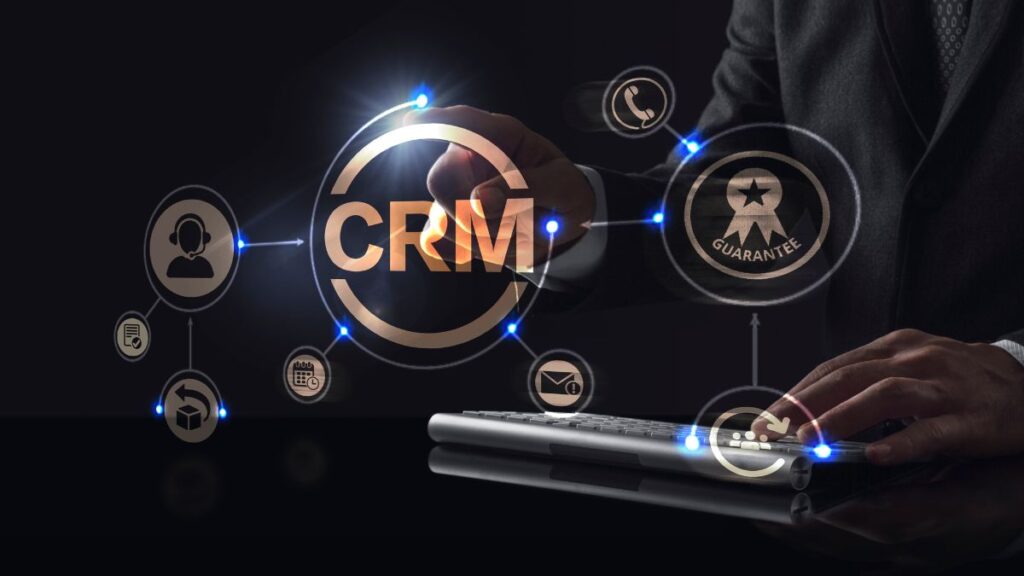
Implement CRM Software
Using CRM software allows you to manage customer relationships more effectively, streamlining your sales processes. This tool not only helps you track interactions but also increases organizational efficiency, enabling you to focus on selling smarter. I’ve seen how a well-implemented CRM can transform sales strategies, giving you the insights needed to tailor your approach and foster long-lasting customer relationships.
Centralized Customer Data
Centralizing your customer data within a CRM system means having all vital information at your fingertips. This integration allows me to view customer interactions, preferences, and purchase history in one place, making it easier to personalize my sales approach. You can create more meaningful connections with your customers when their data is organized and accessible.
Task Automation
Task automation within CRM software frees you from repetitive tasks, allowing you to focus on higher-value activities. For instance, I can automate follow-up emails or reminders, which enhances my efficiency and ensures timely interactions with prospects. By removing manual tasks, I improve not only my productivity but also my overall sales strategy.
With task automation, I eliminate redundancies that can bog down your workflow. By programming routine activities, such as lead scoring and email outreach, I ensure consistency in my sales efforts while saving time. This not only helps you prioritize follow-ups but also minimizes human error. The result is a more streamlined process that keeps you on track to meet your sales goals while enhancing your customer engagement. Ultimately, your ability to respond quickly to leads can significantly impact your sales performance.
Leverage Email Marketing
Email marketing remains a powerful tool for founders looking to engage their audience effectively. By automating your campaigns, you can ensure consistent communication while focusing on strategic growth. Utilizing this channel allows you to deliver tailored messages, promote your products, and foster relationships that lead to sales. The key is to set up workflows that resonate with your audience, making your marketing efforts smarter and more efficient.
Personalized Campaigns
In my experience, personalized campaigns significantly enhance your connection with potential buyers. By segmenting your audience based on interests and behaviors, you can tailor your messaging, making it relevant and engaging. This targeted approach not only improves open rates but also drives higher conversion rates, ultimately leading to increased sales and customer loyalty.
A/B Testing Features
A/B testing features allow you to optimize your email campaigns effectively. I frequently run tests on subject lines, content layout, and call-to-action buttons to determine what resonates best with my audience. By analyzing the performance of different variations, I can make data-driven decisions that enhance engagement, leading to improved sales outcomes.
When I utilize A/B testing, I focus on specific elements, such as subject lines or the positioning of CTAs. This method allows me to identify the most effective strategies for my target audience. I consider metrics like open rates and click-through rates to evaluate performance. The insights gained from each test help me refine my campaigns, ensuring I maximize engagement and drive meaningful conversions for my business.
Utilize Social Media Automation
In today’s fast-paced world, social media automation allows me to streamline my online presence, ensuring that I reach my audience without constant manual effort. By implementing automation tools, I can focus on creating high-quality content while maintaining consistency across platforms. Leveraging social media automation has been a game-changer for me, optimizing my engagement and allowing for strategic interaction with followers.
Scheduled Posts
With scheduled posts, I can pre-plan my content to be shared at optimal times, maximizing visibility and engagement. This feature lets me maintain a consistent posting schedule, even during busy periods, ensuring that my audience always has fresh content to interact with.
Engagement Tracking
Engagement tracking provides me with valuable insights into how my content is performing across social media platforms. By analyzing metrics such as likes, comments, and shares, I can refine my strategy and better understand my audience’s preferences.
With engagement tracking, I can assess which types of posts resonate most with my audience and adjust my content strategy accordingly. This insight allows me to identify peak engagement times, enabling me to further optimize my scheduled posts. Additionally, tracking comments and direct messages helps me stay responsive, enhancing my relationship with followers and fostering a loyal community. Over time, these adjustments result in a more targeted approach, ultimately leading to increased sales and brand loyalty.
Implement Invoice Automation
Implementing invoice automation can streamline your billing process, allowing you to focus more on growing your business. By automating invoices, I can reduce errors and speed up cash flow, ensuring that you maintain a healthy financial status. This approach enables you to deliver professional invoices consistently and handle them with less manual effort, optimizing your overall operations.
Quick Billing Processes
With quick billing processes, I can generate and send invoices in just a few clicks. Automated tools allow customization and template creation, ensuring that invoices align with your brand while significantly reducing the time spent on each transaction. When you simplify the billing cycle, your clients receive their invoices promptly, improving your collection rates.
Payment Reminders
Payment reminders are an effective part of the invoicing process, keeping your cash flow consistent. By automating these reminders, I ensure clients receive timely notifications about upcoming or overdue payments. This eliminates the need for me to chase payments manually, reinforcing professionalism while encouraging prompt payment behavior.
Automated payment reminders can be tailored to suit your business needs. I can set up a series of reminders that go out at intervals—immediately upon invoice issuance, again as the due date approaches, and a final nudge after the deadline if needed. This approach keeps your business top-of-mind without infringing on your client’s comfort, ultimately leading to a more efficient cash flow. Make sure to balance firmness with professionalism, and you will see a positive effect on your overall payment collection rates.
Analyze Sales Data
To sell smarter, I focus on analyzing sales data to uncover patterns and insights. By diving deep into metrics, I can identify what’s working and what isn’t, allowing me to make informed decisions that drive sales efficiency. Leveraging this data enables you to refine your approach and adapt quickly to market changes, ensuring your sales strategies are always aligned with customer needs.
Performance Metrics
In measuring performance metrics, I scrutinize key indicators like conversion rates, average deal sizes, and sales cycle lengths. By analyzing these numbers, I can pinpoint areas for improvement and optimize my sales process. This attention to detail helps you track progress and make better forecasts about future sales opportunities.
Forecast Trends
Forecasting trends involves predicting future sales patterns based on historical data. By analyzing past performance, I can anticipate market shifts and changes in consumer behavior, which allows me to adjust my strategies effectively. This foresight equips you with the knowledge to seize opportunities and mitigate risks in your sales efforts.
To effectively forecast trends, I focus on identifying seasonal patterns and emerging market behaviors. By evaluating historical sales data and customer interactions, I can develop projections that highlight potential growth areas. Utilizing this predictive approach keeps your strategies proactive, allowing you to align inventory, marketing, and sales efforts with expected demand. Understanding these trends can significantly enhance your ability to capitalize on market changes, ensuring you remain ahead of your competitors. Ultimately, informed forecasting enables you to make strategic decisions that foster sustainable growth.
Create Standardized Responses
To enhance your communication efficiency, I recommend creating standardized responses for common inquiries. By developing these templates, you can ensure consistency in your messaging, save time, and eliminate the need to repeatedly formulate fresh replies. This approach not only streamlines your processes but also reinforces your brand voice in every interaction.
FAQs Library
I find that maintaining an FAQs library is valuable for addressing frequent questions from prospects. This centralized resource allows you to quickly provide accurate and consistent answers, ultimately improving customer satisfaction and reducing response time. By investing in this library, you equip yourself to handle inquiries with confidence.
Response Templates
Implementing response templates can significantly boost your efficiency when engaging with clients. These pre-crafted replies enable you to address recurring scenarios effortlessly, ensuring that you convey necessary information while maintaining a personal touch.
With response templates, I can create tailored messages that address various client needs, from sales inquiries to follow-up communications. By personalizing these templates while keeping core messaging intact, I ensure that clients feel valued. This efficient approach not only saves time but also enhances my ability to respond promptly, fostering stronger relationships and a better overall experience for my prospects.
Streamline Onboarding Process
To enhance your sales strategy, it’s imperative to streamline your onboarding process. By automating this phase, you can reduce time spent on training and create a more efficient experience for new users. A seamless onboarding process not only boosts customer satisfaction but also leads to higher retention rates and faster conversions. I recommend leveraging technology to ensure your clients can easily understand and adopt your product from day one.
Automated Tutorials
Automated tutorials are a game-changer in onboarding. By utilizing pre-recorded video guides or interactive walkthroughs, I can help you show users how to effectively use your product. This not only saves time but also caters to various learning styles, ensuring that each customer can engage with the content at their own pace.
Resource Access
Providing clear access to resources is vital for effective onboarding. By creating a centralized location for helpful documents, FAQs, and training materials, I ensure that users can quickly find the answers they need. This minimizes frustration and enhances their overall experience with your product.
Having direct and easy resource access empowers users to troubleshoot issues independently and encourages them to explore your offerings further. By implementing a well-organized knowledge base or help center, you will significantly reduce the volume of support requests, allowing you to focus on higher-value tasks. Centralized resources foster a sense of community and confidence in your users, as they can connect with others and share best practices.
Conclusion
As a reminder, implementing these 10 automation strategies can significantly enhance your selling process. By leveraging technology and optimizing your workflows, I can help you make informed decisions that lead to smarter sales outcomes. Embracing these techniques not only streamlines operations but also frees up your valuable time, allowing you to focus on building relationships and growing your business. Make the choice to automate today, and witness how it transforms your sales approach for the better.